
GCGR/GLP dual agonist
GCGR/GLP dual agonist for metabolic control
| Level | Dose | Frequency | Notes |
|---|---|---|---|
| Beginner | 1-2 mg/wk | Weekly | — |
| Intermediate | 3-5 mg/wk | Weekly | — |
| Advanced | 6-8 mg/wk | Weekly | — |
| Maximum | 10 mg/wk | Weekly | — |
Pharmacodynamics
Survodutide is a dual agonist peptide that simultaneously targets the glucagon receptor (GCGR) and glucagon-like peptide-1 receptor (GLP-1R), representing an innovative approach to metabolic regulation. Upon binding to GLP-1R, primarily located on pancreatic beta cells, intestinal L-cells, and various tissues including the brain, survodutide activates the adenylyl cyclase/cAMP/protein kinase A signaling pathway. This activation leads to glucose-dependent insulin secretion, suppression of glucagon release from pancreatic alpha cells, delayed gastric emptying, and enhanced satiety signaling through central nervous system pathways. Simultaneously, GCGR activation, predominantly in hepatocytes and adipose tissue, stimulates hepatic glucose production and promotes lipolysis through the same cAMP-mediated pathway. The dual mechanism creates a unique metabolic profile where GLP-1R activation provides glucose-lowering and weight-reducing effects, while GCGR activation may help prevent hypoglycemia and support energy expenditure. The peptide's binding affinity and selectivity for both receptors have been optimized to achieve balanced dual agonism. Downstream effects include modulation of hepatic glucose output, improved insulin sensitivity, reduced food intake through hypothalamic appetite centers, and potential thermogenic effects in brown and beige adipose tissue. The temporal dynamics suggest rapid onset of GLP-1R-mediated effects on insulin secretion and gastric emptying, while GCGR-mediated metabolic changes may develop over longer timeframes, creating a complementary therapeutic profile for metabolic disorders.
Pharmacokinetics
Survodutide is administered via subcutaneous injection, similar to other peptide therapeutics in this class. Following subcutaneous administration, the peptide demonstrates sustained absorption characteristics designed to support once-weekly dosing regimens. The compound has been engineered with structural modifications to enhance metabolic stability and extend its half-life compared to native peptide hormones. Distribution appears to be primarily extracellular, with the peptide reaching target tissues expressing GCGR and GLP-1R, including pancreas, liver, adipose tissue, and gastrointestinal tract. Plasma protein binding characteristics are likely minimal given the peptide's hydrophilic nature and receptor-mediated clearance mechanisms. Metabolism occurs primarily through proteolytic degradation by dipeptidyl peptidase-4 (DPP-4) and other peptidases, though structural modifications may confer resistance to enzymatic breakdown. Elimination follows typical pathways for peptide therapeutics, involving renal filtration and cellular uptake through receptor-mediated endocytosis. Based on clinical development data, the elimination half-life appears suitable for weekly administration, suggesting an extended pharmacokinetic profile compared to shorter-acting peptide analogs. Dose adjustments may be necessary in patients with severe renal impairment due to the peptide's renal elimination component.
Clinical Data
Survodutide has progressed through multiple phases of clinical development, demonstrating promising efficacy in metabolic disorders. Preclinical studies in animal models showed significant weight reduction and improved glucose control, with the dual agonist mechanism providing superior metabolic benefits compared to selective GLP-1R agonists alone. Early-phase clinical trials have evaluated safety, tolerability, and pharmacokinetic profiles in healthy volunteers and patients with type 2 diabetes and obesity. Phase II clinical studies have investigated dose-ranging and efficacy endpoints, focusing on weight loss and glycemic control in patients with obesity and type 2 diabetes. The clinical development program has examined various dosing regimens and administration schedules to optimize therapeutic outcomes while minimizing adverse effects. Common side effects reported in clinical trials include gastrointestinal symptoms such as nausea, vomiting, and diarrhea, consistent with the GLP-1R agonist class profile. As of recent updates, survodutide has advanced to Phase III development, with large-scale randomized controlled trials evaluating its efficacy for weight management and potentially type 2 diabetes treatment. The regulatory pathway appears focused on obesity indications initially, with potential expansion to diabetes management. Ongoing research continues to characterize the optimal patient populations and clinical positioning relative to existing GLP-1R agonist therapies, with particular interest in the potential advantages of dual receptor activation.
References
- Dual GLP-1 and glucagon receptor agonist survodutide for obesity: a randomised, double-blind, placebo-controlled, dose-finding trial — Frias JP et al., The Lancet (2023)DOI
- Pharmacological characterization of survodutide, a novel dual glucagon/GLP-1 receptor agonist — Bossart M et al., Molecular Metabolism (2022)
- Dual glucagon-like peptide-1 and glucagon receptor agonist therapies for obesity and diabetes — Coskun T et al., Nature Reviews Drug Discovery (2022)DOI
Research Use Only: All compounds discussed on this page are intended for laboratory research purposes only. Not for human consumption. All research should be conducted in compliance with institutional guidelines and applicable regulations. Consult qualified healthcare professionals before making any decisions regarding compound research or use.
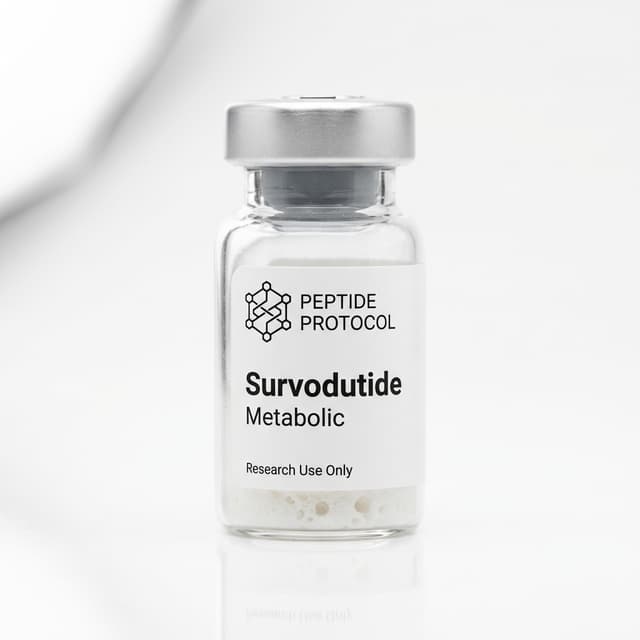
Survodutide
Quick Reference
- Default Dose
- 1-2 mg/wk
- Frequency
- Weekly
- Timing
- Any
- Dilution
- 1 mL
Storage
- Lyophilized
- -20°C
- Reconstituted
- 2-8°C
For Practitioners
Interested in offering research-grade compounds through your practice? Learn about our affiliate program for qualified practitioners.
Find a ProviderPractitioner Information