
Tanning/libido
Melanocortin agonist for tanning and libido
| Level | Dose | Frequency | Notes |
|---|---|---|---|
| Beginner | 100 mcg | Daily | — |
| Intermediate | 250 mcg | Daily | — |
| Advanced | 750 mcg | Daily | — |
| Maximum | 1 mg | Daily | — |
Pharmacodynamics
Melanotan II (MT-2) is a synthetic analog of α-melanocyte stimulating hormone (α-MSH) that exerts its primary effects through activation of melanocortin receptors, particularly MC1R and MC4R subtypes. At the molecular level, MT-2 binds to melanocortin 1 receptors (MC1R) located on melanocytes in the skin, triggering a G-protein coupled receptor cascade that activates adenylyl cyclase and increases intracellular cyclic adenosine monophosphate (cAMP) levels. This elevation in cAMP activates protein kinase A, which subsequently phosphorylates and activates the transcription factor CREB (cAMP response element-binding protein). CREB then promotes transcription of genes involved in melanin synthesis, including tyrosinase, the rate-limiting enzyme in melanogenesis. The increased tyrosinase activity leads to enhanced conversion of tyrosine to DOPA and subsequently to eumelanin and pheomelanin pigments, resulting in skin darkening. Additionally, MT-2 demonstrates affinity for melanocortin 4 receptors (MC4R) in the central nervous system, particularly in hypothalamic regions associated with sexual behavior and appetite regulation. Activation of MC4R triggers similar cAMP-dependent signaling cascades but results in different downstream effects, including modulation of neural circuits involved in libido and sexual arousal. The dual receptor activity explains MT-2's characteristic effects on both pigmentation and sexual function. The onset of pigmentation effects typically occurs within 48-72 hours of administration, with maximal effects observed after 7-14 days of consistent use.
Pharmacokinetics
Melanotan II exhibits poor oral bioavailability due to peptide degradation by gastrointestinal enzymes, necessitating parenteral administration, typically via subcutaneous injection. Following subcutaneous administration, MT-2 demonstrates rapid absorption with peak plasma concentrations achieved within 1-2 hours. The peptide shows moderate tissue distribution, with preferential accumulation in melanin-containing tissues and crossing the blood-brain barrier to access central melanocortin receptors. Protein binding characteristics remain incompletely characterized, though the peptide likely exhibits low to moderate plasma protein binding typical of small peptides. Metabolism occurs primarily through enzymatic degradation by peptidases and proteases in plasma and tissues, following typical pathways for cyclic peptides. The elimination half-life of MT-2 is relatively short, estimated at approximately 2-6 hours in plasma, though tissue residence time may be prolonged, particularly in melanocytes where the peptide exerts its primary effects. Clearance occurs through both renal elimination of metabolites and tissue-based enzymatic degradation. The short plasma half-life but prolonged pharmacodynamic effects suggest tissue accumulation and sustained receptor occupancy beyond plasma clearance.
Clinical Data
Research on Melanotan II has been primarily conducted in preclinical animal models, with limited formal human clinical trials. Early animal studies in rodent models demonstrated dose-dependent increases in melanin production and skin pigmentation following MT-2 administration. These studies also identified effects on sexual behavior and food intake, consistent with melanocortin receptor activation in central nervous system pathways. Small-scale human studies have been reported in the literature, though many lack the rigor of formal clinical trials. Some observational studies have documented tanning effects in human subjects, typically requiring multiple doses over several days to weeks for visible pigmentation changes. However, these studies have also reported adverse effects including nausea, flushing, decreased appetite, and spontaneous penile erections in male subjects. Currently, MT-2 lacks regulatory approval from major health authorities including the FDA, EMA, or other national regulatory bodies for any therapeutic indication. The peptide is not approved for cosmetic tanning purposes and remains classified as an investigational compound. Safety concerns have been raised regarding unregulated use, including reports of darkening of moles and freckles, which could potentially mask skin cancer symptoms. Ongoing research interests include potential applications in treating certain forms of sexual dysfunction and investigating the broader role of melanocortin receptor modulation in human physiology.
References
- Melanotan-II: a possible cause of renal infarction: review of the literature and case report — Langan EA et al., Archives of Dermatology (2006)
- The melanocortin system and its role in neuroprotection — Giuliani D et al., British Journal of Pharmacology (2012)
- Melanocortin receptors as potential targets for modulation of immune responses — Catania A et al., European Journal of Pharmacology (2010)
Research Use Only: All compounds discussed on this page are intended for laboratory research purposes only. Not for human consumption. All research should be conducted in compliance with institutional guidelines and applicable regulations. Consult qualified healthcare professionals before making any decisions regarding compound research or use.
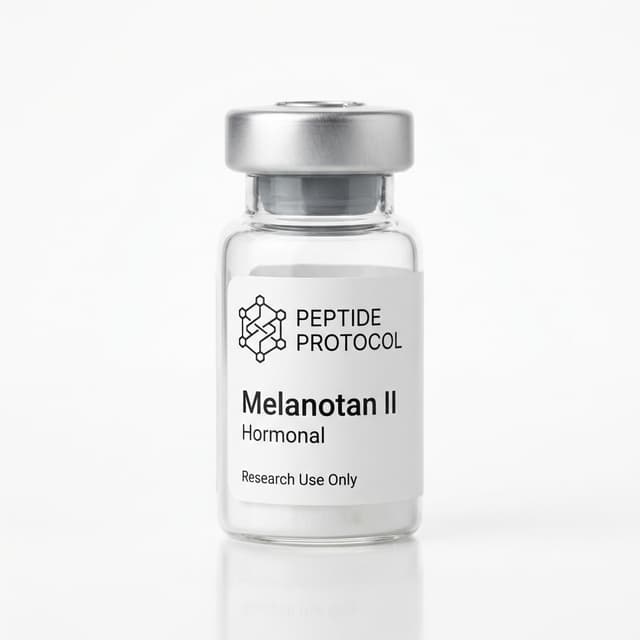
Melanotan II
Quick Reference
- Default Dose
- 100 mcg
- Frequency
- Daily
- Timing
- PM
- Dilution
- 2 mL
Storage
- Lyophilized
- -20°C
- Reconstituted
- 2-8°C
For Practitioners
Interested in offering research-grade compounds through your practice? Learn about our affiliate program for qualified practitioners.
Find a ProviderPractitioner Information