
LH/FSH reset
Hypothalamic peptide for LH/FSH modulation
| Level | Dose | Frequency | Notes |
|---|---|---|---|
| Beginner | 100 mcg | 1-3x/wk | — |
| Intermediate | 200 mcg | 1-3x/wk | — |
| Advanced | 300 mcg | 1-3x/wk | — |
| Maximum | 500 mcg | 1-3x/wk | — |
Pharmacodynamics
Kisspeptin exerts its effects primarily through binding to the KISS1 receptor (KISS1R), also known as GPR54, a G-protein-coupled receptor highly expressed in gonadotropin-releasing hormone (GnRH) neurons in the hypothalamus. Upon binding, kisspeptin activates Gq/11 signaling pathways, leading to phospholipase C activation and subsequent increases in intracellular calcium levels and protein kinase C activity. This cascade ultimately stimulates the release of GnRH from hypothalamic neurons. The released GnRH then acts on the anterior pituitary gland, where it binds to GnRH receptors on gonadotroph cells, triggering the synthesis and secretion of luteinizing hormone (LH) and follicle-stimulating hormone (FSH). This represents the classic hypothalamic-pituitary-gonadal axis activation. Kisspeptin's effects are dose-dependent, with higher doses producing more sustained GnRH release. The peptide also exhibits differential effects based on the physiological state of the individual, including menstrual cycle phase in women and circadian timing. Notably, continuous administration of kisspeptin can lead to desensitization of the GnRH response, while pulsatile administration maintains sensitivity, mimicking the natural pulsatile secretion pattern of endogenous kisspeptin. The time course of kisspeptin's effects is relatively rapid, with LH and FSH elevations typically observed within 30-60 minutes of administration, peaking at 1-2 hours, and returning toward baseline within 4-6 hours depending on the dose and route of administration.
Pharmacokinetics
Kisspeptin demonstrates variable pharmacokinetic properties depending on the specific peptide variant and route of administration. When administered intravenously, kisspeptin shows rapid distribution and clearance from plasma. The peptide has a relatively short plasma half-life, typically ranging from 4-6 minutes for kisspeptin-10 to approximately 28 minutes for longer variants like kisspeptin-54, due to rapid enzymatic degradation by peptidases and proteases in the circulation. Subcutaneous administration results in slower absorption and more sustained plasma levels compared to intravenous delivery. The peptide shows limited oral bioavailability due to gastrointestinal degradation, making parenteral routes preferred for therapeutic applications. Distribution studies indicate that kisspeptin can cross the blood-brain barrier, though the extent is limited, with the peptide showing preferential accumulation in hypothalamic regions where KISS1R expression is highest. Metabolism occurs primarily through enzymatic cleavage by various peptidases, including matrix metalloproteinases and other serine proteases. Elimination is predominantly renal, with metabolites cleared through urinary excretion. The relatively short half-life necessitates frequent dosing or continuous infusion protocols for sustained therapeutic effects, though this also provides advantages in terms of rapid offset of action when treatment cessation is desired.
Clinical Data
Preclinical studies in various animal models have consistently demonstrated kisspeptin's role as a critical regulator of reproductive function and puberty onset. Rodent studies showed that kisspeptin administration can rescue reproductive function in hypogonadal models and advance puberty timing. Non-human primate studies have confirmed the peptide's ability to stimulate LH and FSH release in a dose-dependent manner. Human clinical studies have primarily focused on healthy volunteers and patients with reproductive disorders. Phase I studies have established safety profiles showing generally mild side effects, including transient injection site reactions and occasional nausea. Several small-scale clinical trials have demonstrated kisspeptin's efficacy in stimulating gonadotropin release in healthy men and women, with responses varying based on reproductive status and timing of administration. Clinical research has explored kisspeptin's potential in treating hypothalamic amenorrhea, hypogonadotropic hypogonadism, and as a trigger for oocyte maturation in assisted reproductive technologies. Currently, kisspeptin is not approved by major regulatory agencies for therapeutic use and remains investigational. Ongoing research directions include developing longer-acting analogs, exploring combination therapies, and investigating applications in male fertility disorders. The peptide's role in metabolic regulation and potential applications beyond reproductive medicine are also areas of active investigation, though these applications remain largely experimental.
References
- Kisspeptin signalling in the mammalian brain — Pinilla L et al., Endocrine Reviews (2012)DOIPubMed
- Kisspeptin-10 is a potent stimulator of LH and increases pulse frequency in men — George JT et al., Journal of Clinical Endocrinology and Metabolism (2011)DOIPubMed
- The physiology and pharmacology of kisspeptin — Roseweir AK et al., Current Opinion in Investigational Drugs (2009)PubMed
- Kisspeptin and the control of gonadotropin-releasing hormone secretion — Herbison AE, Human Reproduction Update (2016)DOIPubMed
Research Use Only: All compounds discussed on this page are intended for laboratory research purposes only. Not for human consumption. All research should be conducted in compliance with institutional guidelines and applicable regulations. Consult qualified healthcare professionals before making any decisions regarding compound research or use.
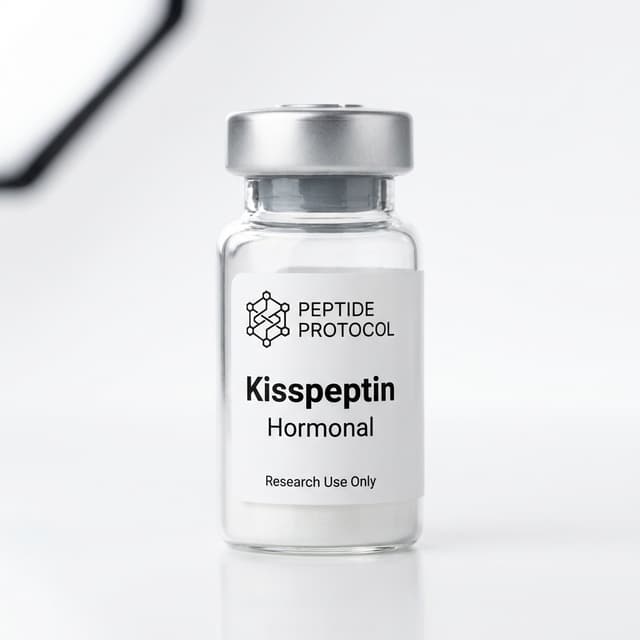
Kisspeptin
Quick Reference
- Default Dose
- 100 mcg
- Frequency
- 1-3x/wk
- Timing
- AM
- Dilution
- 1 mL
Storage
- Lyophilized
- -20°C
- Reconstituted
- 2-8°C
For Practitioners
Interested in offering research-grade compounds through your practice? Learn about our affiliate program for qualified practitioners.
Find a ProviderPractitioner Information